Espresso troubleshooting · 7 min read
Why Is My Espresso Sour? Causes and How to Fix It
Fix sour espresso with a step-by-step checklist for grind, yield, warm-up and puck preparation. Learn when acidity is normal and what to change next.

By Marvin Smit
Published · Updated
On this page
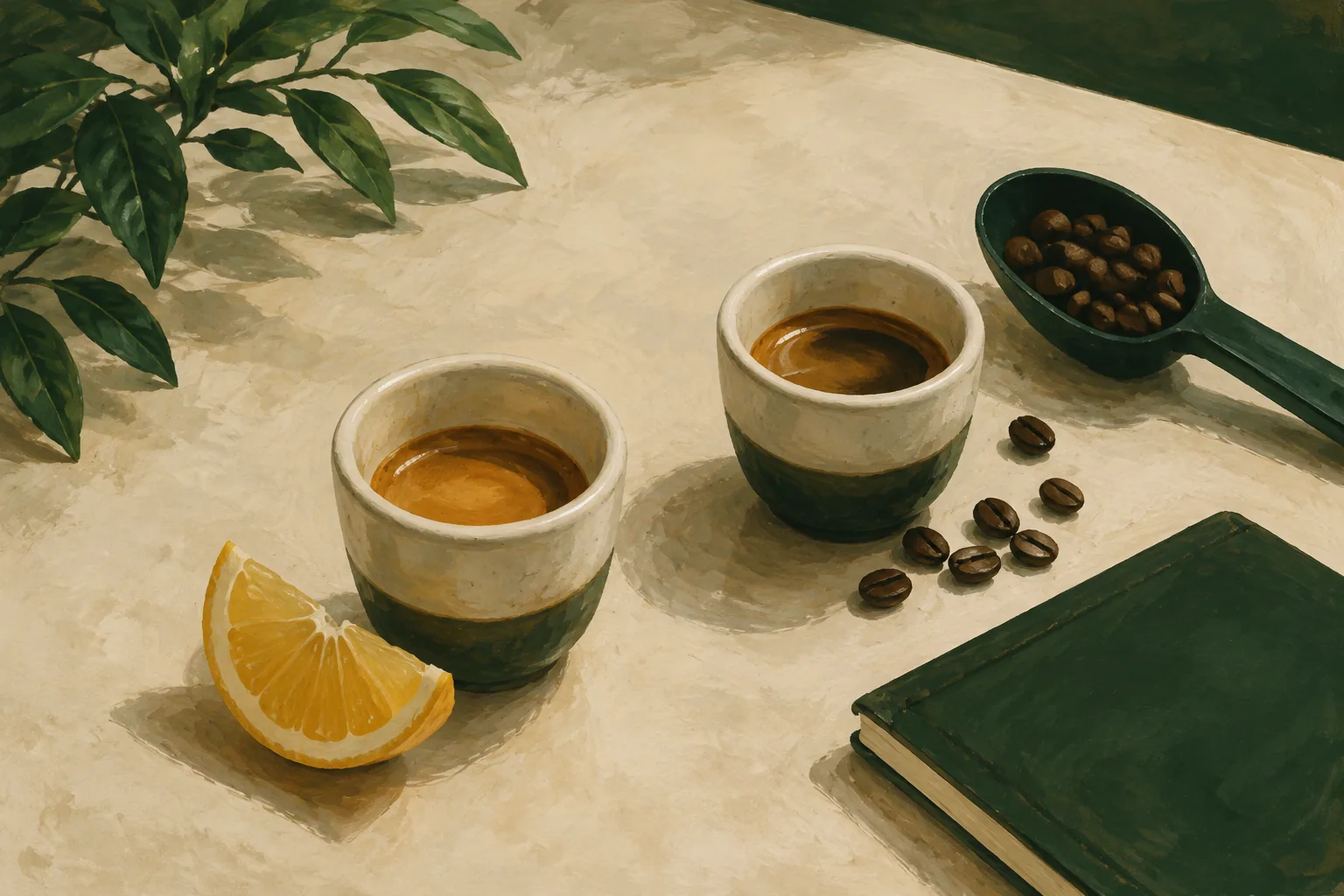
A sharp first sip does not tell you which part of your recipe went wrong. Before replacing equipment or turning every dial, make the problem repeatable: use the same beans, the same basket and the same amount of ground coffee. Use the espresso brew-ratio guide if dose and yield are new to you; then follow this troubleshooting sequence.
Research-based guidance; we do not claim hands-on testing. Section images are AI-generated editorial illustrations. Our buying guides may contain affiliate links. Read our disclosure and research approach.
First, separate unpleasant sourness from bright acidity
Ask whether the cup tastes pleasantly fruity or harsh and unfinished. Acidity accompanied by sweetness can be enjoyable; a sharp cup with little sweetness is a better reason to investigate extraction. Taste a little espresso after it has cooled enough to assess comfortably, rather than judging only the first very hot sip.
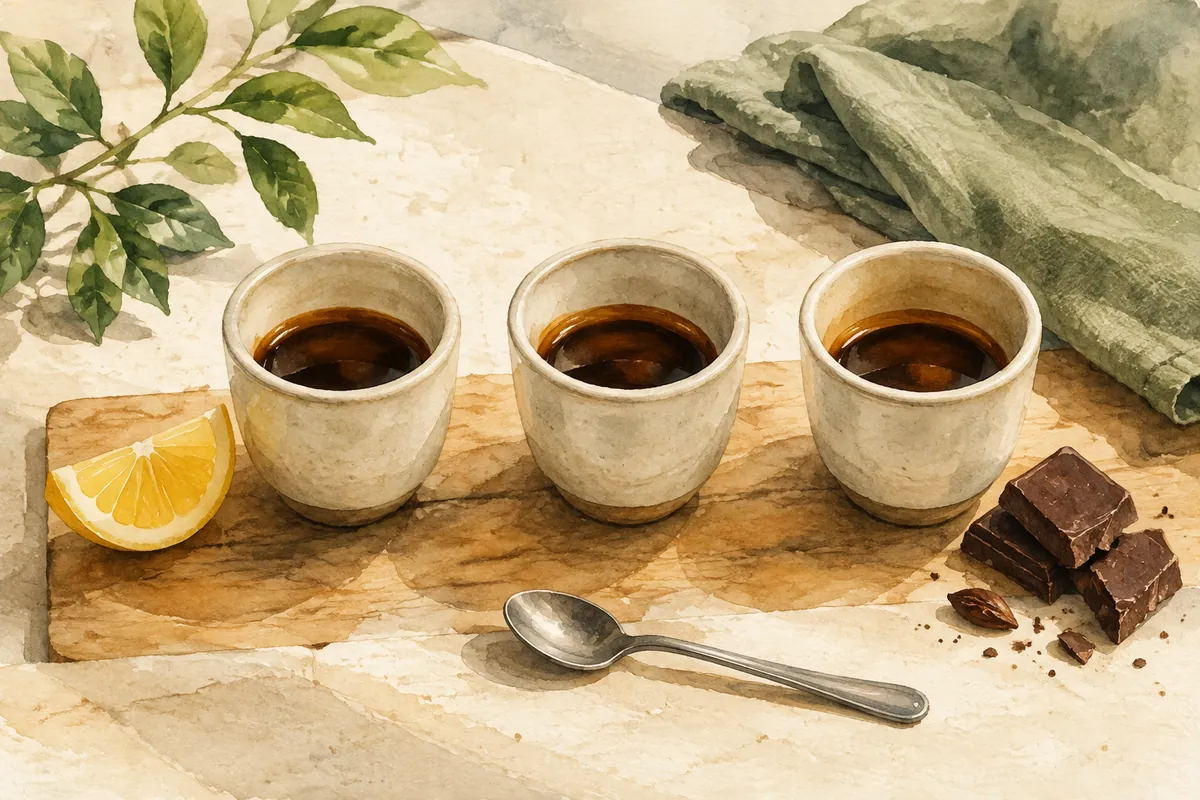
You are also allowed to dislike a coffee that is brewed well. If you consistently prefer chocolate-like flavors to citrus-like ones, use that preference when choosing your next bag. Do not keep pushing a recipe simply to erase the character advertised on the bag.
Bright + sweet
You enjoy the fruit-like character.
Keep the recipe if it repeats.
Sharp + thin
The cup feels unfinished.
Record flow, dose and yield; compare one change.
Sharp + drying
Several unpleasant sensations overlap.
Check repeatable preparation before chasing finer.
Editorial tasting prompts, not a diagnosis or a measurement of extraction.
Write down one baseline shot
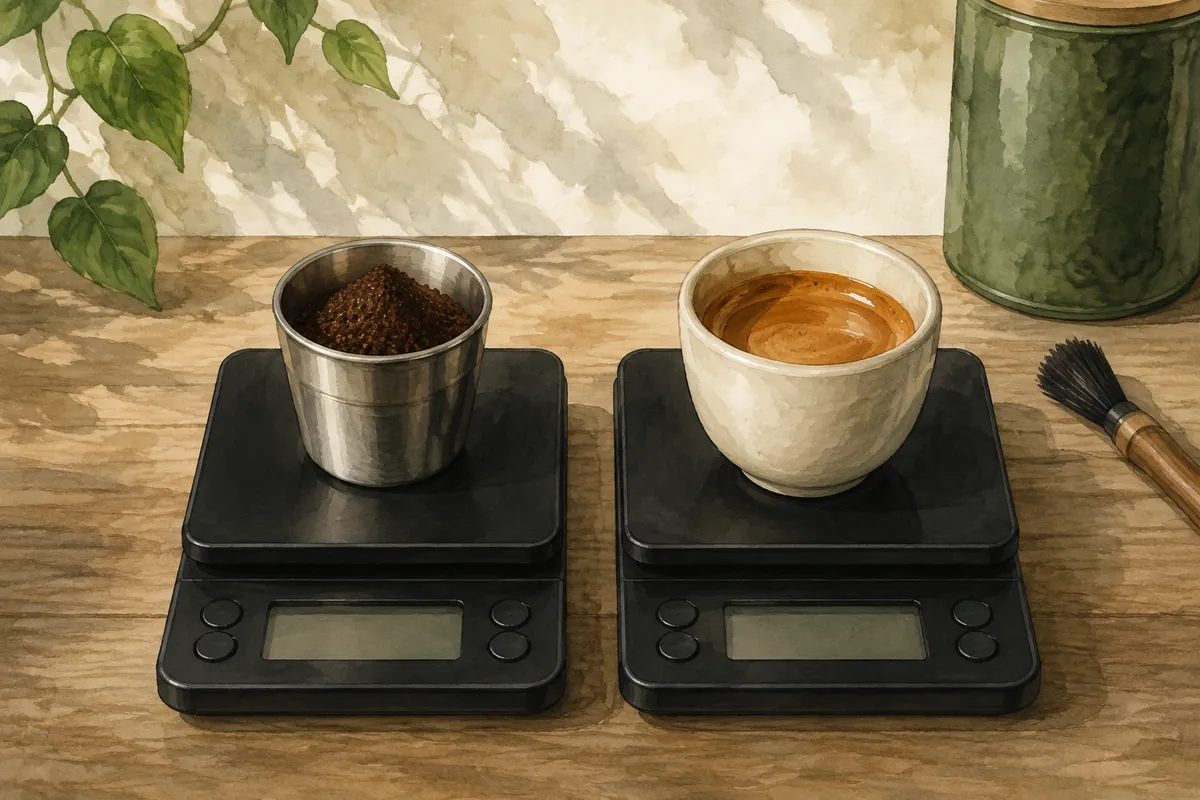
Record dry coffee and espresso yield in grams, elapsed time and a short taste note. For example, ‘18 g in, 36 g out, sharp and thin’ is more useful than ‘one double shot.’ These quantities are an illustration, not a prescribed dose for every basket.
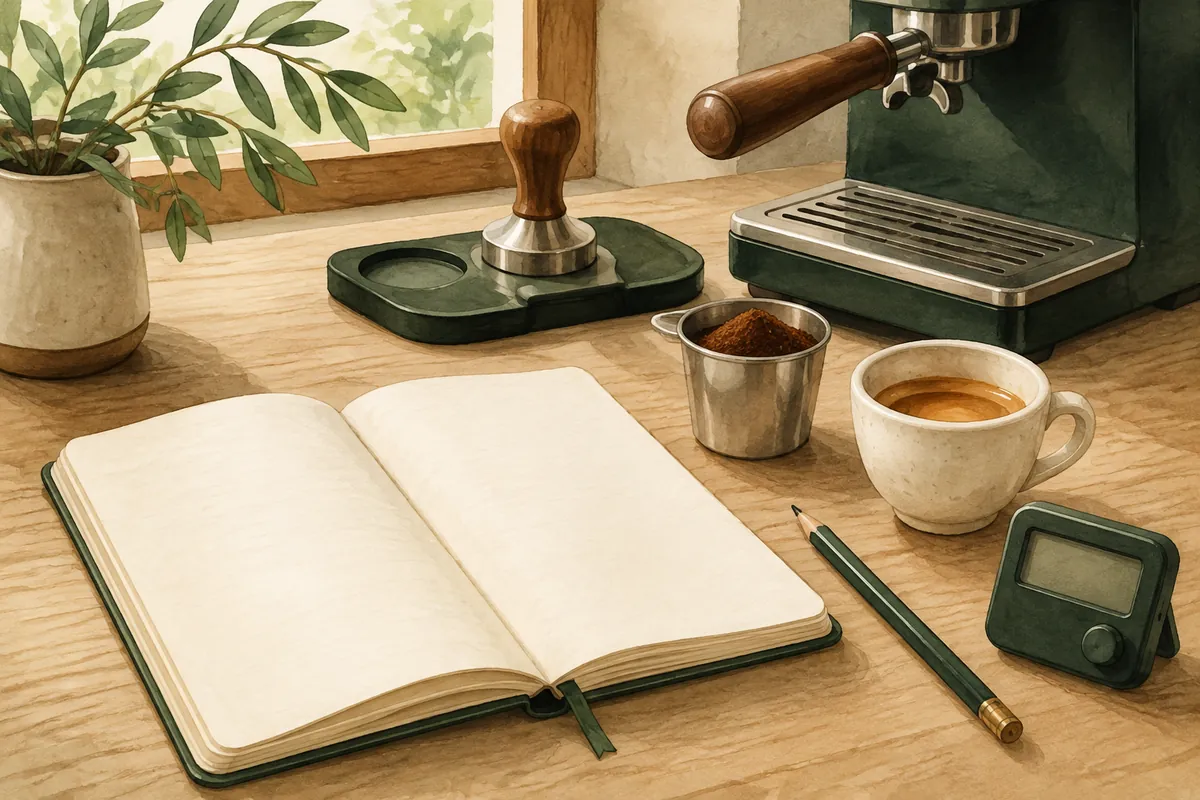
Use your machine’s recommended warm-up procedure and basket capacity. If you are unsure which type you have, identify pressurized and non-pressurized baskets before adjusting the recipe. If you use pre-ground coffee, note that too: you cannot adjust its grind size, so advice to grind finer is not an available first step.
- Keep the beans and dose unchanged for the comparison.
- Weigh the beverage rather than comparing crema height.
- Choose one adjustment and label the next shot so you can compare it with the baseline.
Match the next adjustment to the symptom
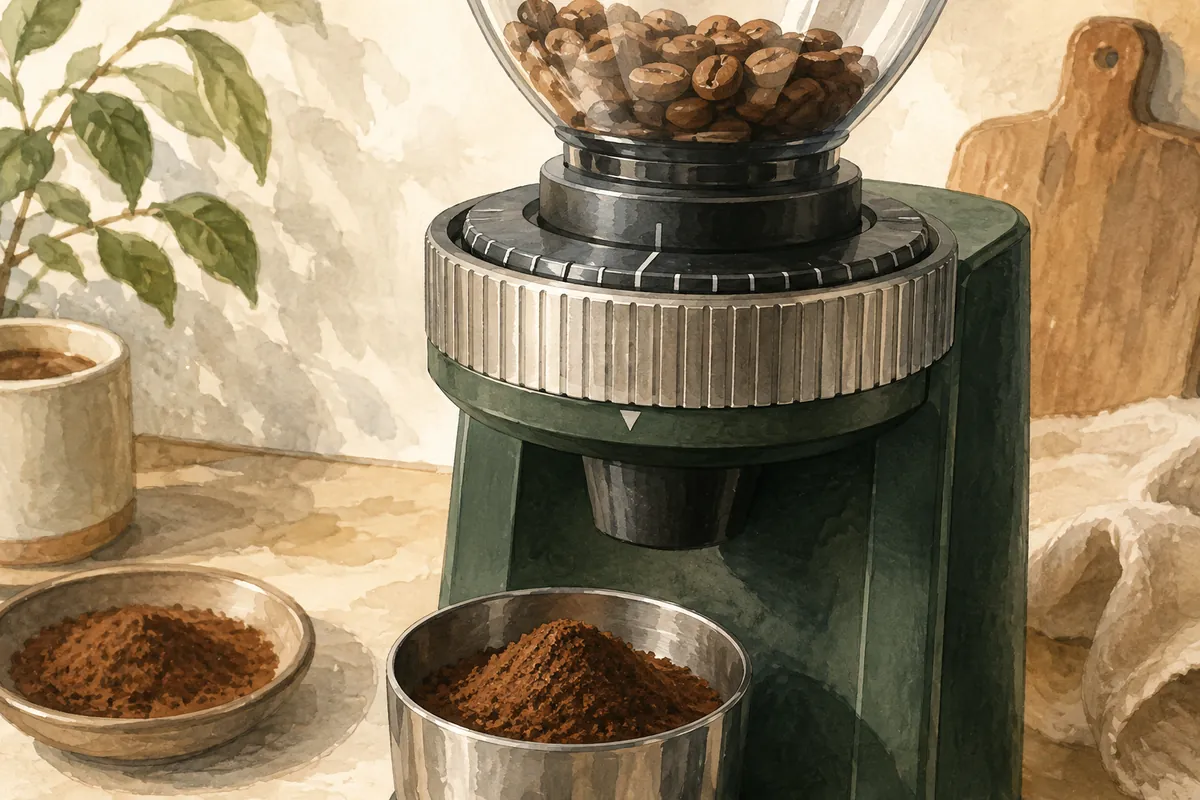
Use the table to choose a small experiment. It gives starting directions, not guarantees: taste and repeatability decide whether an adjustment helped.
| What you notice | What to try next |
|---|---|
| Shot runs unusually fast and tastes sharp | On a single-wall setup, try a small finer grind adjustment while keeping dose and target yield fixed. |
| Flow looks reasonably consistent, but the cup is sharp | Try a little more beverage yield at the same dose and grind; compare sweetness and strength. |
| Shots vary substantially with the same recipe | Make distribution and tamping more consistent before chasing another setting. |
| You use pre-ground coffee | Check the manual for the appropriate pressurized basket and recipe before changing equipment. |
If it tastes sour and drying, stop chasing finer
An uneven extraction can produce confusing combinations of flavors. Treat a cup that is sharp yet drying differently from one that is simply sharp: repeat the preparation carefully before making the grind progressively finer. A single taste descriptor cannot prove that water moved evenly through the puck.
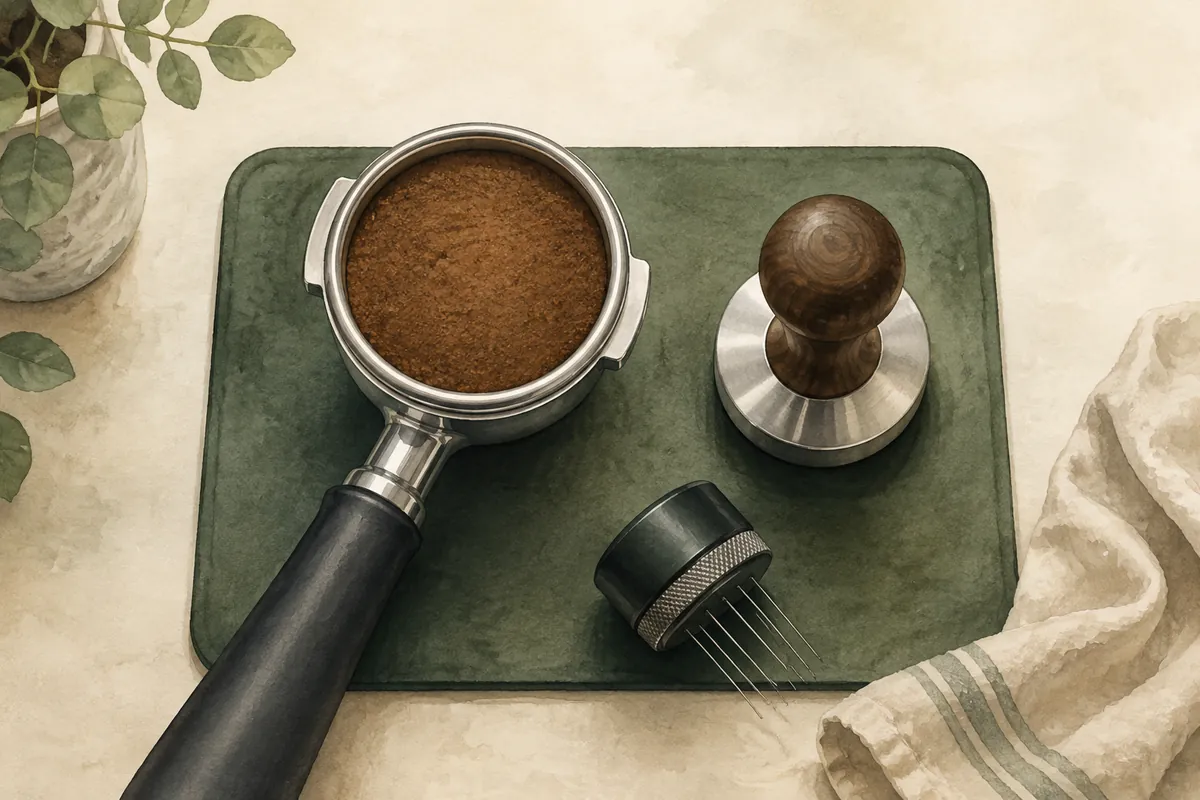
Once a change improves the cup, repeat it using the same espresso dial-in routine. If the improvement does not repeat, you have learned that consistency needs attention. Keep a short log of three or four deliberate attempts rather than making a long sequence of unrecorded changes. If none helps, return to your baseline and check the machine instructions and the roaster’s recipe.
Source: Barista Hustle: Espresso Compass
Before another adjustment, check whether two shots agree
Make two shots with the same coffee, dose, grind setting and target yield. Record what actually lands in the cup and whether the taste is similar. This is a repeatability check, not a demand for identical seconds. If one cup is pleasant and the other sharply sour, a new target ratio may distract from the inconsistency.
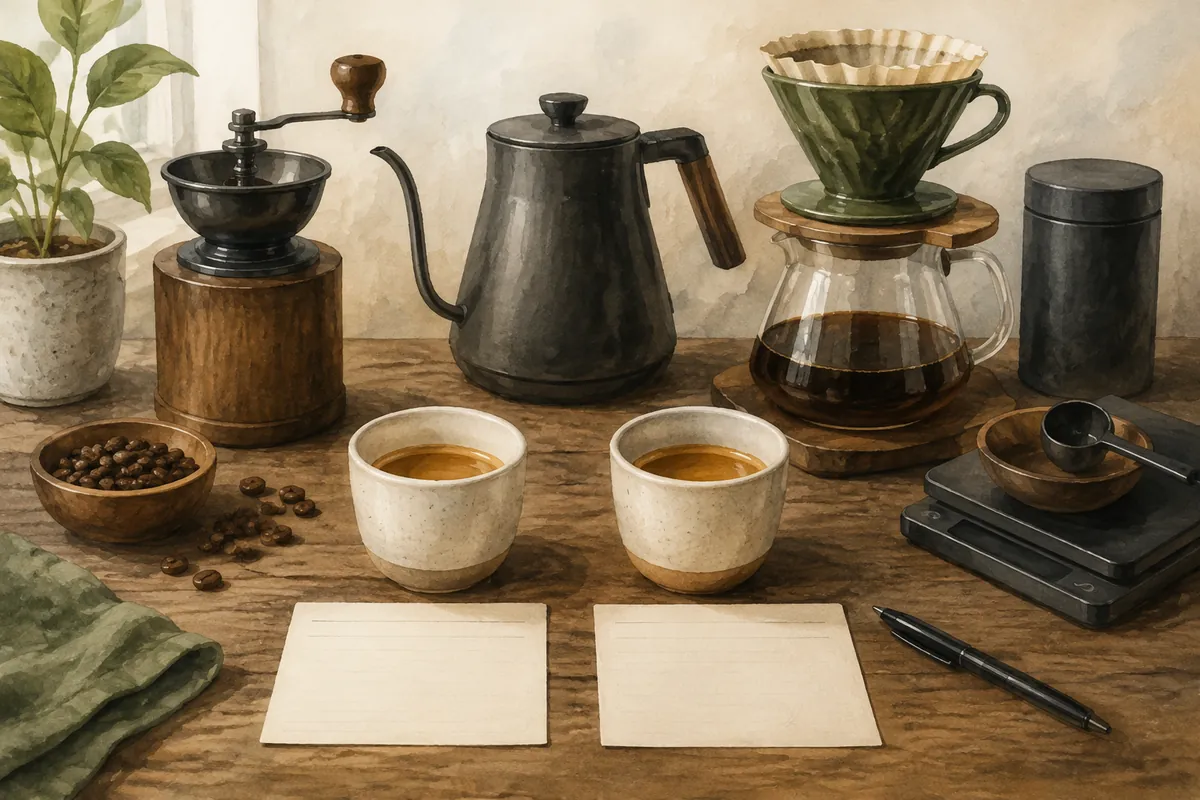
Check the simple things you can observe: did you weigh both doses, spread the grounds the same way and tamp level? Did both shots follow the same warm-up routine? Use the dose-and-yield log in our dial-in guide to separate a recipe change from an accidental change in preparation.
If both cups are similarly sharp, you have a more useful baseline for the adjustment table above. If the second cup is consistently better, investigate the machine-specific warm-up instructions below. Avoid comparing yesterday’s milk drink with today’s straight espresso: keep the drink format the same while assessing the change.
- Record two unchanged attempts.
- If they disagree, repeat preparation before changing the recipe.
- If they agree, compare one deliberate adjustment and save the result.
Check warm-up before changing brew temperature
A machine being ready to dispense water does not necessarily tell you that every removable part is warm. Breville’s Dual Boiler instructions specifically note that a cold portafilter and basket can affect extraction temperature. Follow the warm-up routine for your own machine, especially when the first shot tastes different from the second.
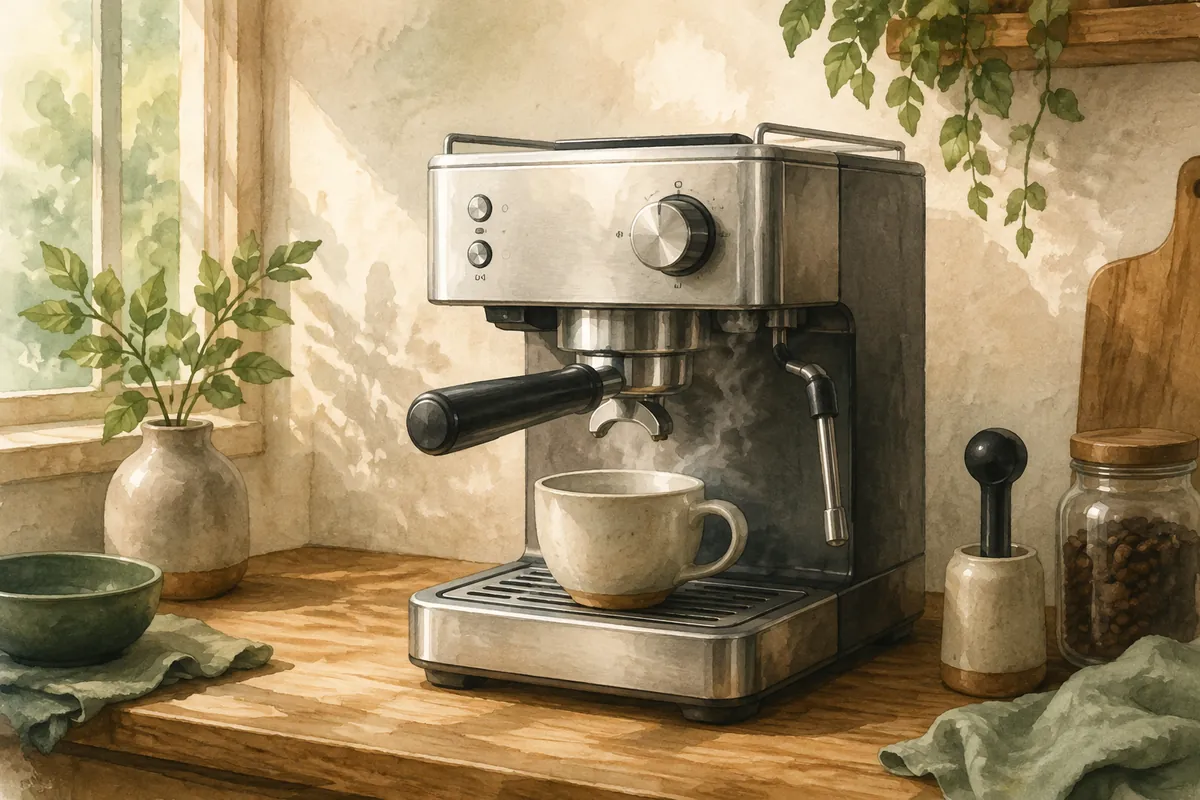
If your machine offers temperature adjustment, record the existing setting before experimenting. First make dose, yield and preparation repeatable; otherwise a temperature change becomes another moving target. Do not copy a temperature setting from a different machine and assume the number represents the same conditions at the coffee bed.
For a machine without temperature control, concentrate on the controls you actually have. Use its recommended preparation sequence, then compare grind or yield. There is no need to invent an elaborate flushing routine from another model’s instructions.
Source: Breville Dual Boiler manual: preheating the portafilter and basket
Worked example: a sour shot that runs too fast
Imagine your basket suits an 18 g dose. You record 18 g in and 36 g out, and the shot runs much faster than your usual baseline. It tastes sharply sour. Keep the 18 g dose and 36 g target; make one small finer adjustment according to your grinder’s instructions. This example illustrates a decision process, not a result from our testing.
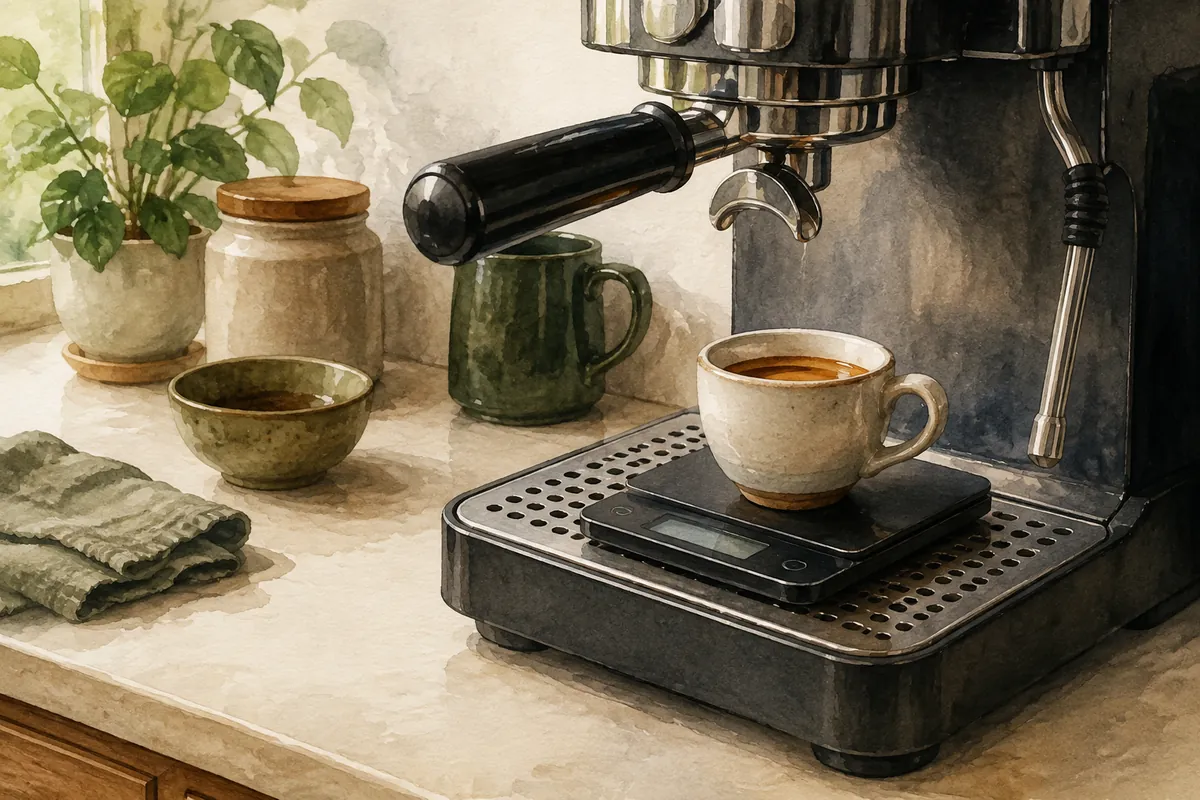
If the next cup improves, repeat it before changing anything else. If it barely flows, move back toward the original setting instead of adding more coffee. If time changes but the unpleasant taste remains, compare a small yield change only after you have recovered a repeatable flow.
If a longer yield gives you a sweeter but thinner cup, decide which compromise suits your drink. You can prefer the fuller original texture, choose a different coffee next time, or continue experimenting. ‘Fixed’ means you enjoy the repeatable result; it does not mean the espresso has zero acidity.
Frequently asked questions
Should I grind finer for sour espresso?
A small finer adjustment is a useful experiment when a single-wall shot also runs unusually fast. Keep dose and target yield steady. If flow is already very restricted or inconsistent, inspect preparation before grinding finer again.
Why is espresso sour even at a 1:2 ratio?
A ratio records two weights. It does not measure evenness, temperature or taste. Keep the ratio as a baseline while checking preparation and grind, then compare yield if needed.
Will buying a new grinder fix sour espresso?
Not necessarily. First identify a repeatable limitation, such as an inability to make sufficiently small useful grind changes. A recipe, basket mismatch or flavor preference will not automatically be solved by another appliance.
Why is my espresso sour and watery?
Watery describes the body or concentration; sour describes taste. Record dose and beverage weight before deciding what to change. If a single-wall shot also races through, try a small finer adjustment at the same target yield; do not assume that making every shot longer will fix both complaints.
Should I change beans if every shot tastes sour?
First compare a repeatable recipe with any guidance from the roaster. If the result is consistent but the coffee’s bright character is not enjoyable to you, choosing a different flavor profile is reasonable. You do not need to buy a new machine to have a different taste preference.
Keep learning