Espresso technique · 7 min read
How to Dial In Espresso: Dose, Grind, Yield and Taste
Learn how to dial in espresso with a repeatable dose, grind and yield routine. Follow a worked recipe log and troubleshoot shots between grinder settings.

By Marvin Smit
Published · Updated
On this page
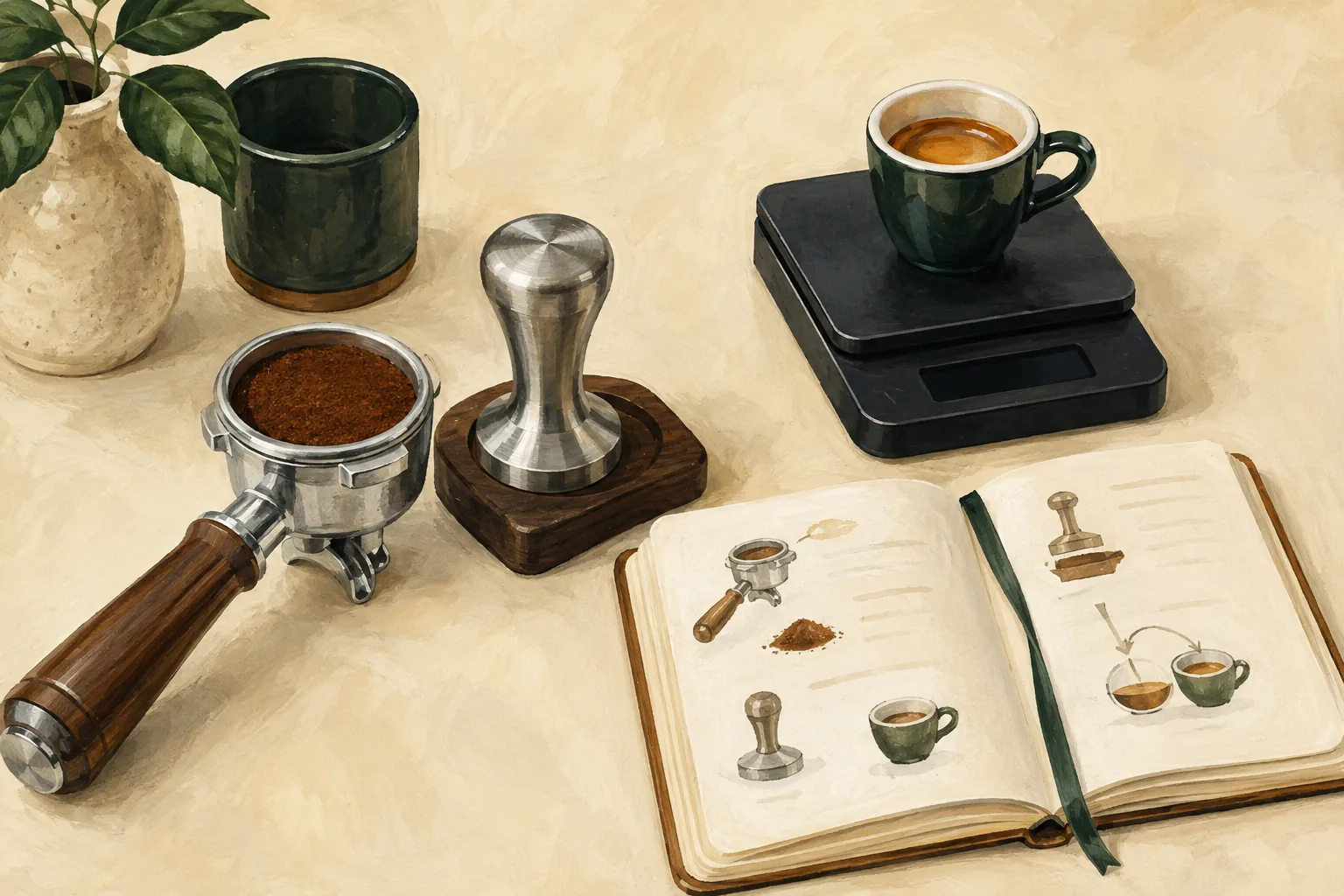
Dialing in means finding a repeatable recipe for your beans and equipment. This workflow is intended for freshly ground coffee in a non-pressurized basket. If you use pre-ground coffee and a pressurized basket, start with the manufacturer’s instructions; you cannot follow the grind-adjustment part of this process in the same way.
Research-based guidance; we do not claim hands-on testing. Section images are AI-generated editorial illustrations. Our buying guides may contain affiliate links. Read our disclosure and research approach.
1. Make the setup repeatable
Have a scale, a timer and somewhere to write a short note. Follow your machine’s warm-up instructions, use the same basket and keep your preparation routine consistent. Start with the roaster’s recipe when one is available.
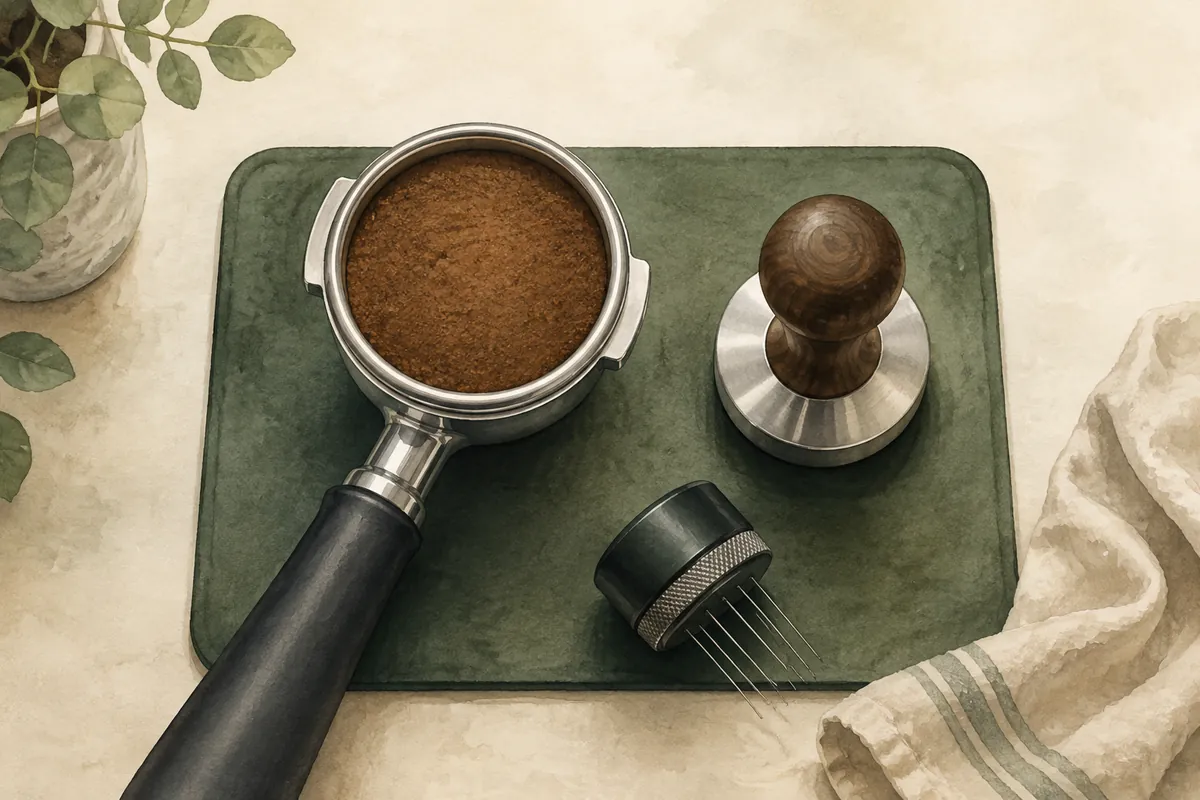
Choose a dose within the basket’s intended range rather than filling it by appearance. Keep that dose fixed while you investigate other variables. Changing both the dose and the grind after each shot makes it difficult to identify what helped.
- 01Choose a basket-appropriate dose
- 02Set and weigh your target yield
- 03Change one variable; taste and record
- 04Repeat the recipe you prefer
Source: Barista Hustle: analyzing dose
2. Pull and record a baseline
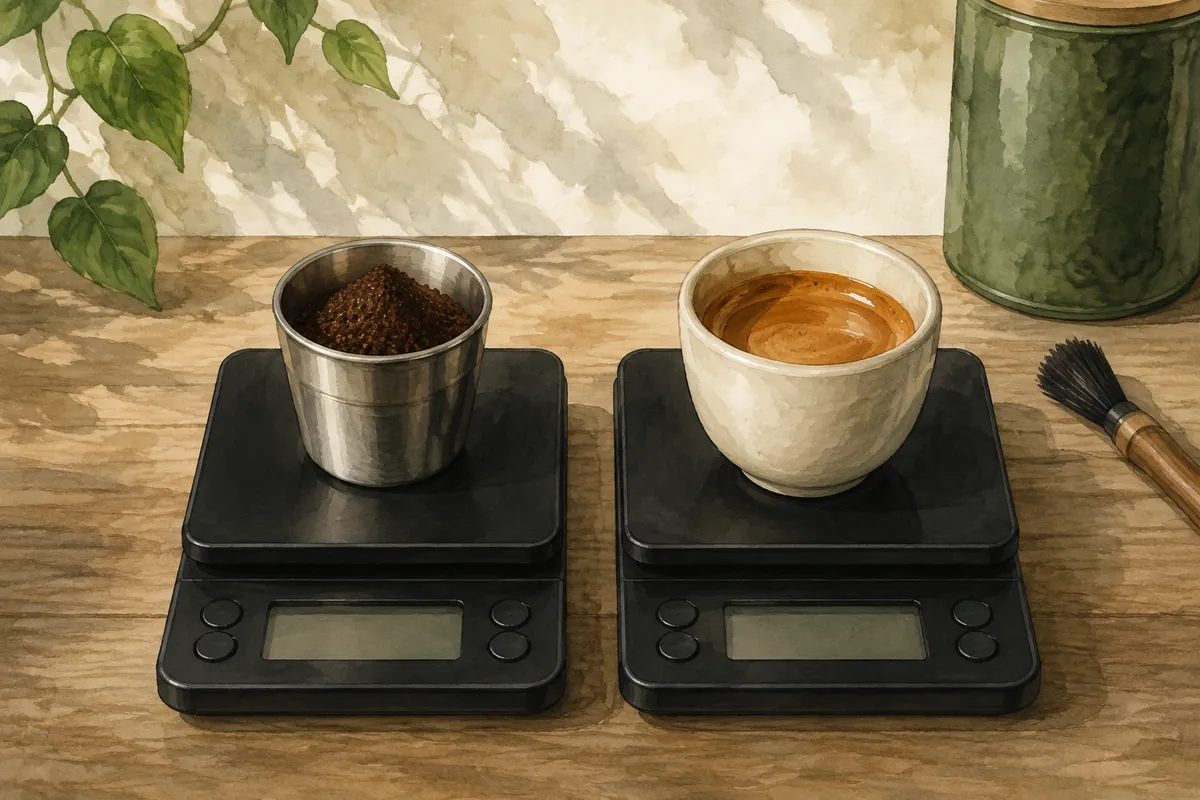
For a basket suited to 18 g, 36 g of espresso is an example of a 1:2 espresso brew ratio. It is a reference point, not a rule that all coffees must satisfy. Put the cup on the scale, tare it and stop by beverage weight instead of waiting for the cup to look full.
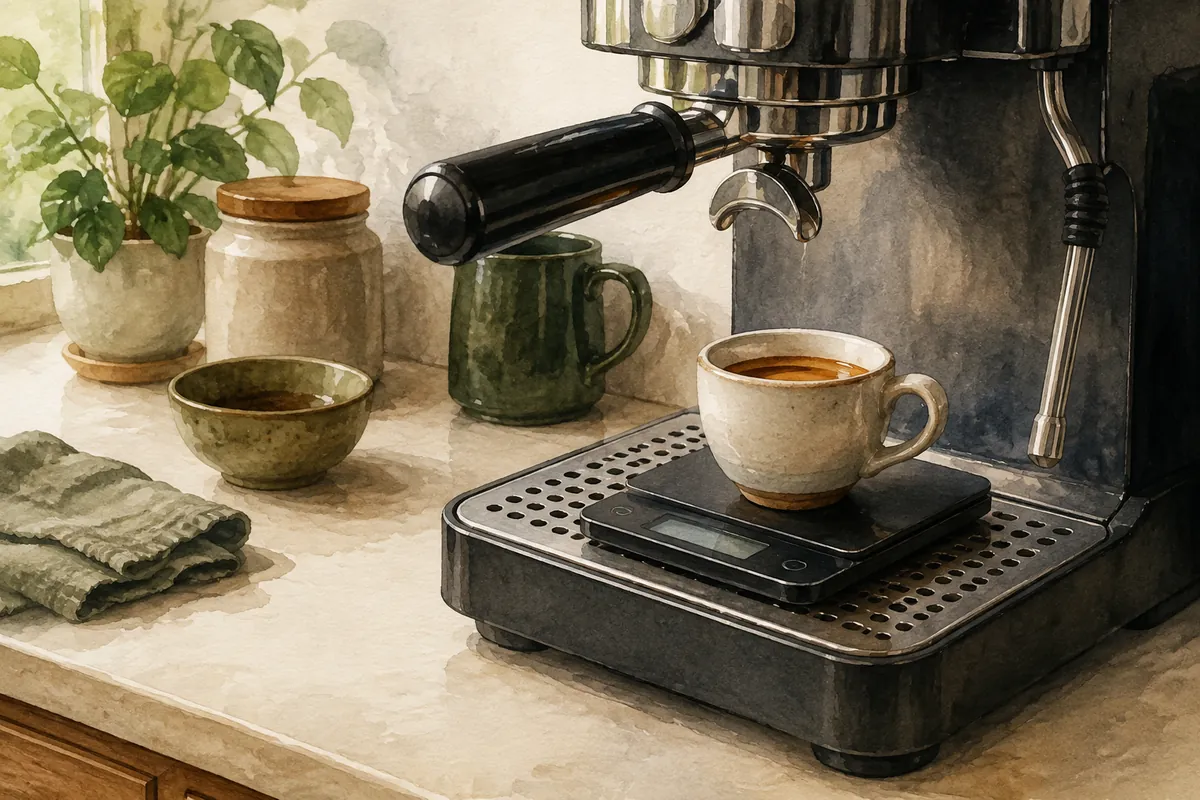
Start timing at the same event each time and note which event you use. Pump-on and first-drip times are different measurements, particularly when pre-infusion is involved. A time copied from another recipe is useful only when its measurement method is understood.
| Record | Example entry, not a target |
|---|---|
| Dose / yield | 18 g / 36 g |
| Time reference | From pump activation |
| Taste | Sharp, little sweetness |
| Next experiment | One small finer adjustment; same dose and yield |
Source: Barista Hustle: espresso time
Record the final yield, including the last drips
The weight at the moment you press stop may differ from the final weight in the cup. Watch what your own setup does, then write down the settled reading. Keep the scale and cup in the same position, and use the machine’s normal stopping method. This prevents a small overshoot from becoming an invisible recipe change.
For example, suppose you aim for 36 g but finish at 39 g from an 18 g dose. The actual ratio is about 1:2.17. Record 39 g; do not label the shot 1:2 merely because that was the plan. Our brew-ratio explanation shows how to calculate the ratio for any dose.
On the next attempt, observe whether a slightly earlier stop lands nearer the target. There is no universal number of grams to subtract: drip behavior and scale response differ. Once your stopping routine is repeatable, grind comparisons become easier to interpret. If you use a programmed button, still weigh the output while dialing in.
| Recipe note | Example |
|---|---|
| Dose | 18 g |
| Intended yield | 36 g |
| Final measured yield | 39 g |
| Ratio to record | 1:2.17, approximately |
3. Adjust grind without moving every target
If the shot races through, a finer adjustment is a reasonable experiment. If it barely flows, try coarser. Use your grinder’s own instructions for adjustment and any purge needed; a number on one grinder is not transferable to another model.
Repeat with the same dose and target yield. Taste before deciding whether the new setting is better. Do not force a pleasant shot into a particular time window just because the stopwatch differs from an online recipe.
Source: Baratza: dialing in espresso
4. Fine-tune, then repeat the winner
Once you have a manageable, consistent flow, compare a modest yield change while leaving dose and grind alone. Label the cups or your notes clearly. You are looking for a drink you prefer, not the largest possible amount of extraction.
Keep the comparison small enough to interpret. For example, compare your baseline with a slightly longer shot before also changing temperature or switching beans. If preparation was visibly inconsistent, repeat the baseline instead of treating that shot as trustworthy evidence.
Finish by making the preferred recipe again. Save the beans, dose, yield, grinder setting, timing method and taste note. When the next bag arrives, that record is a sensible starting point; it is not a promise that the settings will remain correct.
If repeated shots remain sharp, use our sour-espresso checklist to distinguish a recipe problem from inconsistent preparation or a flavor preference. It is more useful than endlessly turning the grinder finer.
A three-shot dial-in example you can adapt
Here is a hypothetical comparison for a basket suited to 18 g. The numbers explain the order of decisions; they are not measured results or a recipe guaranteed to work with your beans. Notice that the first adjustment changes grind, while the second changes yield.
| Attempt | Keep steady | Change / observation |
|---|---|---|
| Baseline | 18 g dose; 36 g target | Record current grind, time and taste. |
| Grind comparison | 18 g dose; 36 g target | Try one small finer change if baseline flow was too fast. |
| Yield comparison | 18 g dose; preferred grind | Compare 40 g yield with 36 g if you want a longer shot. |
What if one grinder click is too much?
First confirm that the adjustment method matches your grinder. Some models use discrete steps; others allow continuous movement, and some combine coarse and fine controls. Baratza describes these approaches in its stepped-versus-stepless guide. Count of settings alone is not enough to compare the usable espresso control of different models.
If adjacent settings give awkward results, repeat both carefully before blaming the adjustment mechanism. Record actual output weight, not just grind duration. Follow any manufacturer guidance for retained grounds after an adjustment, so the next dose represents the setting you intended to compare.
Once the limitation repeats, consult model-specific adjustment guidance. Avoid random internal calibration changes or forcing the mechanism. You can explore a different yield at the more workable setting, but write it down as a new comparison rather than claiming you changed only grind.
When to stop dialing in and save your recipe
Stop when you enjoy the drink and can repeat it. A shot that looks good on a timer but tastes worse than yesterday’s is not an improvement. Save the recipe with the coffee name, dose, actual yield, grinder setting and timing reference.
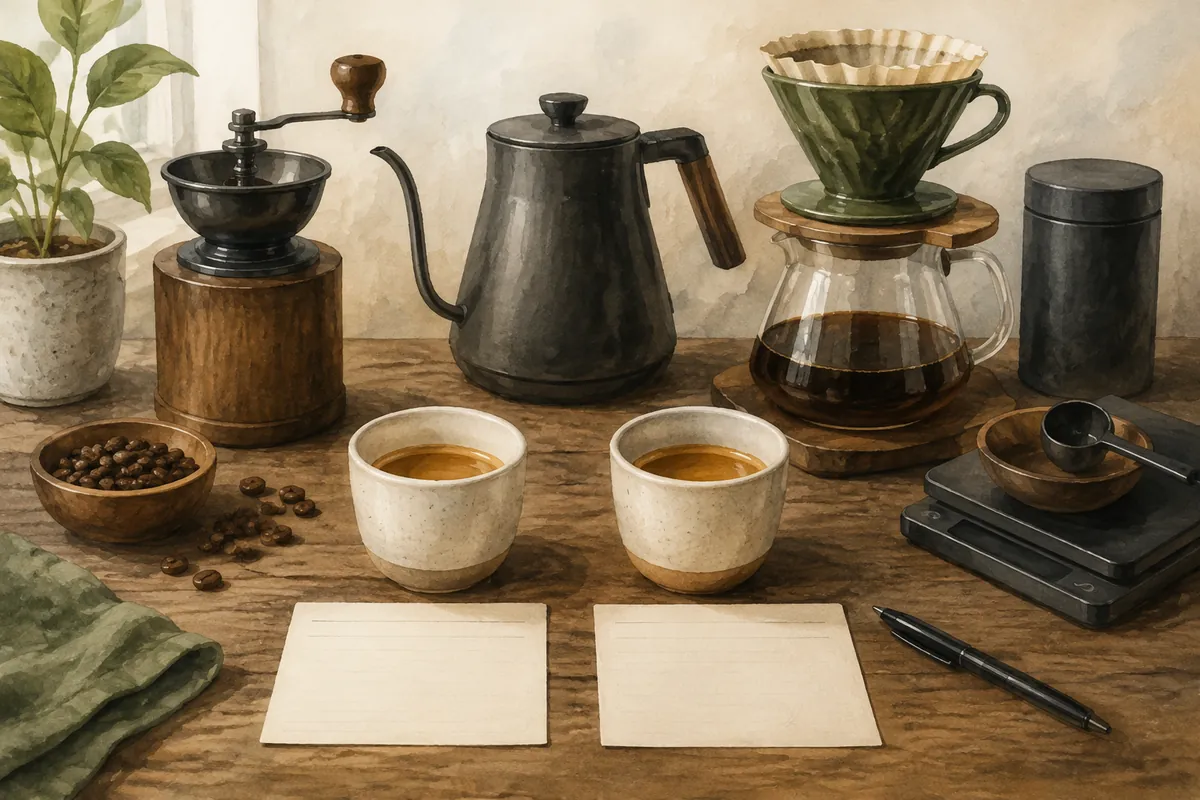
For the next session, pull a baseline before making changes. If you switch beans or basket, mark that clearly in the log. Keep unsuccessful experiments too: a brief ‘too restricted’ note can save you from repeating the same adjustment tomorrow.
Frequently asked questions
Does espresso always need to take 30 seconds?
No. Time is a comparison tool, not a universal pass/fail target. Use a consistent timing reference and judge the taste at your recorded dose and yield.
Should I change dose or grind first?
Choose a dose suited to the basket, then hold it steady while adjusting grind at a fixed target yield. Revisit dose deliberately if you change basket or drink requirements.
Do I need to dial in every new bag?
Use the previous recipe as a starting point, then taste and measure a baseline with the new coffee. Keep the settings if they still work; adjust when the result gives you a reason.
When should I start timing an espresso shot?
Choose a clear event, such as starting the brew cycle, and record it consistently. A recipe timed from the first drip uses a different reference. Note pre-infusion if your machine uses it so comparisons are meaningful.
Why do my shots change after adjusting the grinder?
Check the adjustment and retained-coffee guidance for your specific grinder. Also confirm that you weighed the dose after grinding and used the same target yield. A changed dose or mixed grounds can make the result harder to attribute to one setting.
Keep learning